
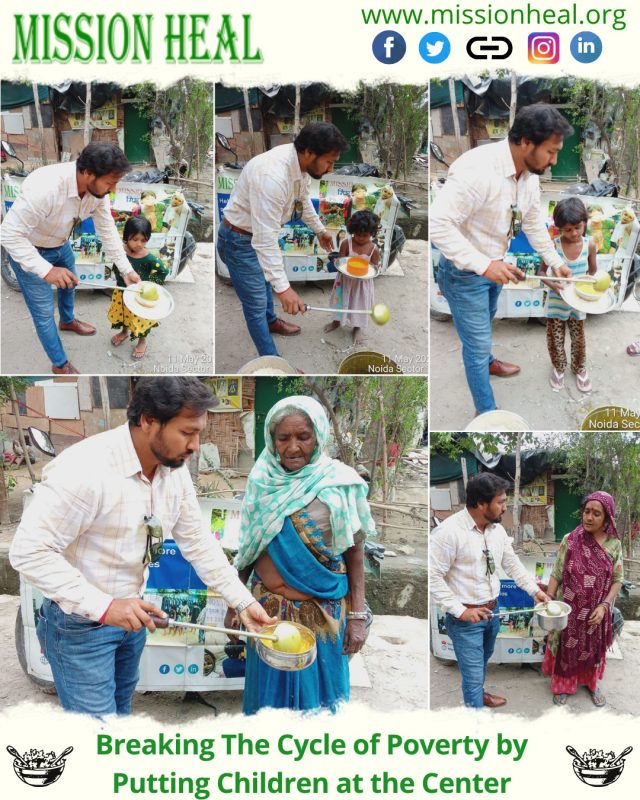
In the heart of our fight against poverty, children must be our priority. Social movements Organization aimed at improving their circumstances can create a ripple effect that uplifts entire communities. Organizations like Mission Heal are at the forefront, focusing on the unique needs of children to break the cycle of poverty. By investing in education, healthcare, and emotional support, these initiatives not only help kids thrive but also foster a brighter future for society as a whole. Let’s explore how putting children at the centre of our missions can lead to lasting change.
Social Movements Organization: Understanding Poverty Cycles Through a Child-Centred Lens
To truly grasp the mission behind Mission Heal, it’s important to look at how poverty operates as a persistent cycle. This cycle keeps education limited, health poor, and communities isolated, creating a grim reality for many. Children born into hardship often find themselves facing a future with restricted opportunities.
However, Mission Heal chooses to change this narrative by putting children at the heart of their strategy. Rather than viewing them as mere recipients of aid, the organization empowers them. Through focused education initiatives, children learn vital literacy and critical thinking skills, building their confidence from an early age. Health programs tackle essential needs like nutrition and mental wellbeing, ensuring that these kids develop a strong foundation for a brighter future.
But it doesn’t stop there. Mission Heal actively engages families, providing parents with the resources and training they need to foster a nurturing environment at home. Community mentors also play a role, guiding children and emphasising accountability and shared responsibility.
By measuring long-term outcomes rather than quick fixes, Mission Heal shifts the conversation from charity to true empowerment. Breaking the cycle of poverty requires early, committed investment in our children’s futures.
Mission Heal as a Child-Led Social Movements Organization
When Social Movements Organization comes to making a difference, Mission Heal has truly transformed the landscape of social movements. Beyond just providing services, this initiative is a powerhouse for collective action, focusing on kids’ well-being and empowerment.
At the heart of Mission Heal’s strategy is grassroots participation. Children’s voices shape program design and inform community priorities, ensuring that young people feel a sense of ownership and leadership. This approach also encourages adults to recognise the value of kids’ perspectives in decision-making processes, bridging generational gaps.
Building strong partnerships with schools, religious groups, and local organizations has allowed Mission Heal to enhance its outreach while staying rooted in the community. Storytelling plays a critical role, too—personal narratives powerfully illustrate systemic challenges, making the need for change relatable and urgent.
By promoting nonviolent dialogue and collaborative problem-solving, Mission Heal builds trust across different communities. It’s inspiring to see how individual concerns can galvanise into organised, transformative actions for children’s futures. Join this movement and be part of the change!
Education as the Foundation for Sustainable Poverty Reduction
Education is the heart of Mission Heal’s strategy to combat poverty. By providing quality education, the organization empowers children with essential tools to navigate today’s complex social and economic challenges. Mission Heal focuses on inclusive, learner-centred approaches that prioritise literacy, numeracy, and creativity, along with ethical reasoning.
Teachers are trained to create nurturing, trauma-informed classrooms, where children feel safe and motivated to learn. Beyond traditional learning, Mission Heal offers after-school programs that help reinforce knowledge while keeping kids out of harmful environments. Scholarships and material support play a vital role in breaking down financial barriers, ensuring consistent school attendance.
In today’s digital age, initiatives in digital literacy prepare students for future job markets. By integrating vital life skills like communication and problem-solving, Mission Heal not only educates but also empowers children to become advocates for themselves and their communities. Ultimately, education is a powerful force for change and a vital right that can uplift entire communities.
Conclusion
At the heart of Mission Heal lies a powerful insight: putting children first can change the cycle of poverty. Instead of just tackling symptoms, Social Movements Organization digs deep to address the root causes of deprivation through holistic strategies involving education, health, and community engagement.
What’s truly inspiring is how Mission Heal views children not merely as victims, but as future leaders. This perspective challenges us all to rethink our approach to development, justice, and responsibility. When a community invests in its youth, it lays the groundwork for lasting social stability and equity.
Moreover, this model showcases the impact of organised, values-driven social movements. Through active participation, advocacy, and collaboration, significant change is not only possible but achievable. Mission Heal also tracks progress across generations, showing how empowered children contribute positively to families, economies, and civic life.
In essence, meaningful change takes time, dedication, and a focused vision. By centring on children, Mission Heal illustrates that nurturing young lives is a vital step toward breaking the cycle of poverty and fostering inclusive futures.
You can read such blogs and articles on the website https://missionheal.org/. Follow us on Facebook, Twitter, LinkedIn, and Instagram.
